Thursday, 20 November 2025

Plug Valve in the Oil and Gas Industry: A Reliable Solution for Critical Flow Control

In the oil and gas industry, the efficiency and safety of flow control systems are crucial for ensuring uninterrupted operations. Among the various valve types used across upstream, midstream, and downstream facilities, plug valves hold a special significance due to their robust design, quick operation, and ability to handle challenging service conditions. Their reliability in managing high-pressure, high-temperature, and corrosive flow media makes them a preferred choice for pipelines, refineries, and processing units worldwide.

Understanding Plug Valves in Oil & Gas Operations

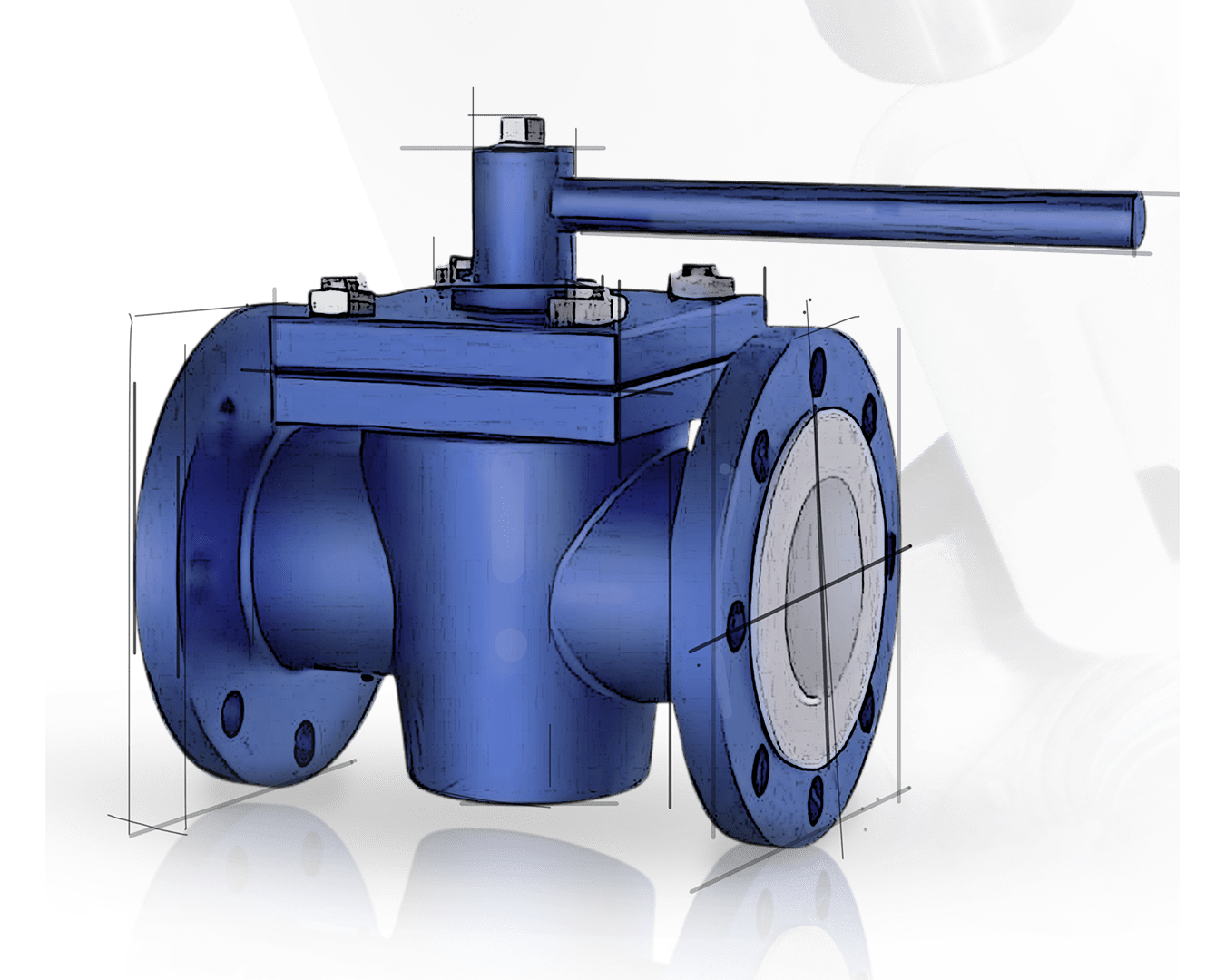
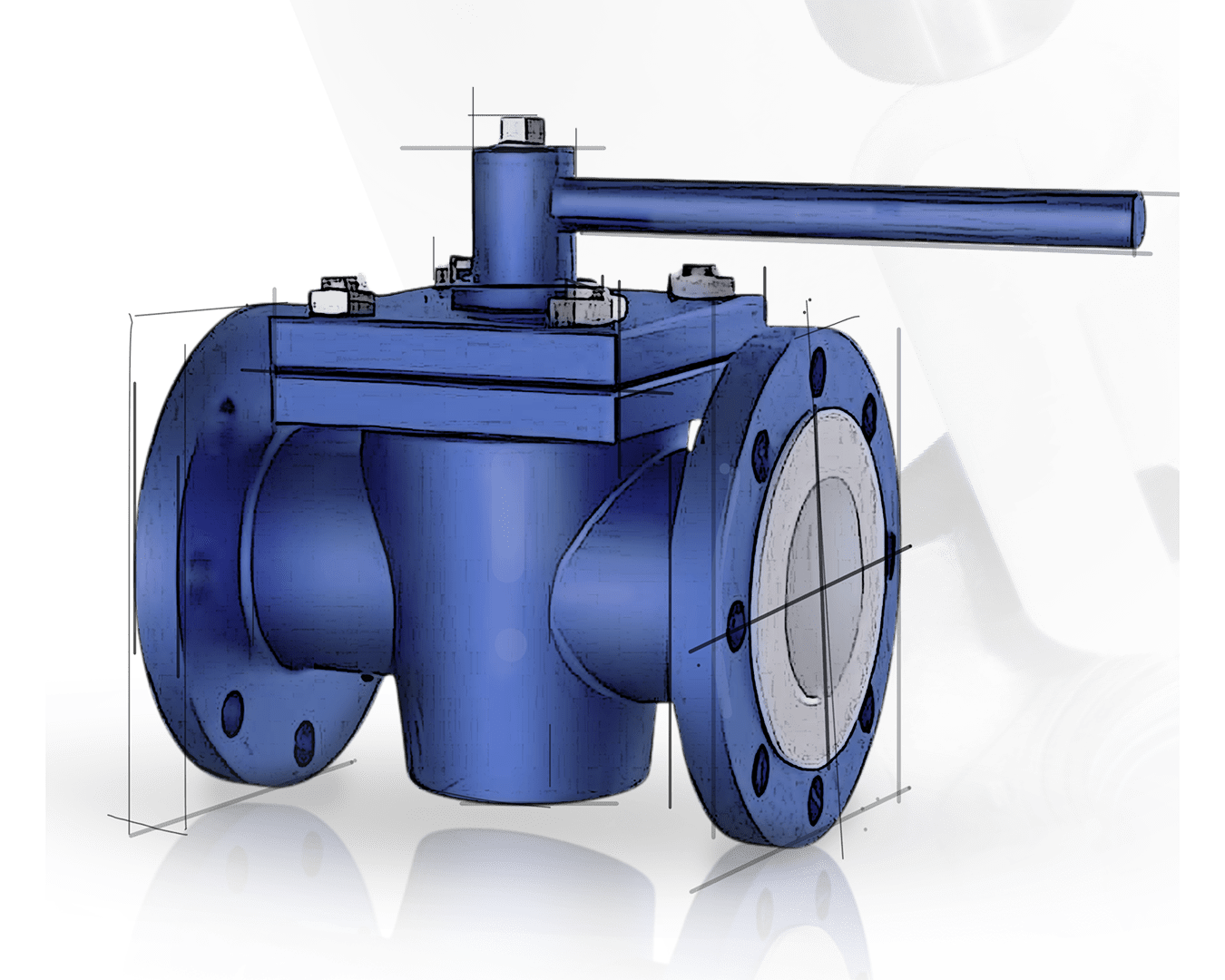
A plug valve is a rotary valve consisting of a cylindrical or tapered plug that rotates inside the valve body to regulate flow. The plug contains a port that aligns with the pipeline to permit flow and rotates a quarter turn to shut it off. This simple yet effective design enables tight sealing, quick operation, and dependable performance even in harsh environments.

In the oil and gas industry, plug valves are specifically valued for their ability to isolate flow rapidly, handle viscous or contaminated fluids, and perform reliably in emergency shutdown situations.

Why Plug Valves Are Important in Oil & Gas Applications

Oil and gas processes often involve abrasive slurries, dirty flow media, chemical-laden products, and fluctuations in temperature and pressure. Plug valves offer benefits that directly address these operational challenges:

1. Tight Shut-Off Capability

Non-lubricated and lubricated plug valves provide bubble-tight sealing, ensuring zero leakage—an essential feature in preventing product loss, contamination, or potential hazards.

2. Durability in Harsh Conditions

Plug valves can withstand corrosive fluids, crude oil with sediments, natural gas impurities, and high salinity environments, making them dependable across offshore and onshore facilities.

3. Quick 90-Degree Operation

Plug valves allow instant isolation during maintenance or emergency shutdowns, helping mitigate risks and ensuring personnel safety.

4. Suitability for High-Pressure Pipelines

Many plug valves used in the industry are designed to sustain high pressures without compromising sealing integrity or mechanical performance.

Key Technical Highlights

  • Quarter-turn design for fast operation

  • Available in lubricated and non-lubricated configurations

  • Designed for bi-directional flow

  • Can handle multi-port flow diversion (3-way or 4-way)

  • Metal or elastomeric seats based on service conditions

  • Excellent corrosion-resistant materials such as stainless steel, carbon steel, and alloy steels

These features collectively make plug valves versatile, strong, and capable of delivering long service life.

Challenges in Oil & Gas Processes Solved by Plug Valves

  1. Handling Viscous or Dirty Media:
    Plug valves perform efficiently in crude oil, slurries, and contaminated fluids where other valves may seize or wear out quickly.

  2. Reducing Leakage Risks:
    Their reliable sealing minimizes fugitive emissions—a critical requirement in modern oil and gas regulations.

  3. Ensuring Smooth Flow Direction Control:
    MultI-port plug valves simplify flow diversion in processing plants and manifold applications.

  4. Reducing Maintenance Downtime:
    Lubricated plug valves are designed for easy maintenance, allowing operators to extend valve life without lengthy shutdowns.

Applications Across the Oil & Gas Value Chain

Upstream (Exploration & Production)

  • Wellheads

  • Drilling systems

  • Mud handling units

  • High-pressure manifold systems

Midstream (Transportation & Storage)

  • Crude oil pipelines

  • Gas transmission lines

  • Tank terminals

  • Pumping and compressor stations

Downstream (Refining & Petrochemicals)

  • Desalting units

  • Hydrocarbon processing

  • Fuel blending systems

  • Chemical injection lines

Across all segments, plug valves are essential for maintaining safety, flow integrity, and operational reliability.

Plug valves play a vital role in supporting safe, efficient, and stable operations in the oil and gas industry. Their robust design, ability to manage demanding flow conditions, and quick shut-off functionality make them indispensable across exploration, transportation, and refining applications. As industries push for more reliable and emission-free systems, plug valves continue to remain a trusted choice for engineers and plant operators seeking long-term performance and safety.

Thursday, 4 September 2025

Stainless Steel Plug Valves for Food and Beverage Processing | Hygienic & Durable Flow Control

In the food and beverage industry, equipment reliability is about more than efficiency—it’s about safety and product quality. A leaking valve or corroded component can compromise hygiene, risk contamination, and even lead to expensive product recalls. That’s why many manufacturers turn to stainless steel plug valves for food and beverage processing. Built for durability and easy cleaning, these valves provide the performance and compliance needed in an industry where purity is everything.

Pain Points in Food & Beverage Processing

Running a food or beverage plant comes with unique challenges that standard valves often can’t meet:

  • Corrosion from cleaning chemicals. Frequent sterilization and cleaning with strong agents quickly wear down regular valves.

  • Contamination risks. A single leak can allow microbes or foreign matter into the product stream, creating health hazards.

  • Frequent replacements. Valves that fail too soon increase maintenance costs and disrupt production schedules.

  • Strict hygiene regulations. Non-compliance with food safety standards can result in fines, product recalls, and reputational damage.

For manufacturers, these pain points directly impact both operational costs and consumer trust.

Why Stainless Steel Plug Valves Are Ideal

Stainless steel plug valves are specifically designed to handle the hygienic and durability needs of food and beverage plants. Here’s why they’re a smart choice:

  • Corrosion resistance. Stainless steel resists rust and damage from cleaning chemicals, ensuring a longer service life.

  • Hygienic design. Smooth internal surfaces prevent product buildup and microbial growth.

  • Easy cleaning. Plug valves are straightforward to dismantle, clean, and reassemble—critical for meeting hygiene standards.

  • Reliable shut-off. Their tight sealing reduces the risk of leaks and contamination.

  • Durability. Stainless steel withstands high temperatures and mechanical stress, ideal for demanding production lines.

Common Applications in Food & Beverage

Stainless steel plug valves are used across a wide range of processes:

  • Dairy plants. Handling milk and cream requires strict hygiene. Stainless steel valves prevent rust and ensure product purity.

  • Beverage production. From carbonated soft drinks to juices, leak-free plug valves maintain consistent quality.

  • Breweries. In beer production, valves control both liquids and gases under hygienic conditions.

  • Cleaning-in-place (CIP) systems. Valves must resist the aggressive cleaning solutions used for sanitation.

Addressing Industry Pain Points

By using stainless steel plug valves, food and beverage manufacturers can solve many of their operational challenges:

  • Reduced contamination risks. Leak-free sealing and hygienic design safeguard product integrity.

  • Lower maintenance costs. With durable stainless steel construction, valves need fewer replacements.

  • Improved compliance. Easy cleaning and reliable performance make it easier to meet food safety regulations.

  • Long-term savings. Though the upfront investment may be higher, longer valve life reduces overall costs.

  • Enhanced consumer confidence. Consistently high-quality, safe products build stronger brand trust.

In food and beverage processing, the cost of valve failure is far greater than downtime—it’s about consumer safety and trust. Stainless steel plug valves for food and beverage plants offer a hygienic, durable, and reliable solution to these challenges. With their corrosion resistance, leak-free performance, and easy maintenance, they help manufacturers maintain product quality, comply with strict regulations, and reduce long-term costs. In an industry where safety and purity can’t be compromised, stainless steel plug valves are a smart and dependable investment.

Thursday, 28 August 2025

Plug Valves Reliable Flow Control Across Industries

Valves play a critical role in controlling the flow of liquids, gases, and slurries in modern industrial systems. Among the many valve types available today, plug valves stand out for their simple design, versatility, and reliability. Known for their ability to provide tight shut-off and quick operation, plug valves continue to be widely used across industries such as oil and gas, chemical processing, petrochemicals, water treatment, and power generation.

What is a Plug Valve?

A plug valve is a quarter-turn valve that uses a cylindrical or conically tapered plug to regulate flow. The plug has one or more hollow passageways through it, allowing fluid to pass when aligned with the pipe. By rotating the plug 90 degrees, the flow is completely stopped. This simple mechanism provides quick shut-off capability, making plug valves ideal for applications where frequent operation is required.

The history of plug valves dates back centuries, when they were first used in early pipeline systems for crude oil transportation. Over time, manufacturers refined their design, improving sealing efficiency, materials, and durability to meet modern industrial standards.

Types of Plug Valves

Plug valves are available in different configurations to suit specific needs:

  1. Lubricated Plug Valves – These use a sealing lubricant that forms a film between the plug and body, reducing friction and ensuring smooth operation even in high-pressure services.

  2. Non-Lubricated Plug Valves – Instead of lubrication, they use special sleeves or liners around the plug to provide sealing. These are low-maintenance and ideal for chemical and food industries.

  3. Eccentric Plug Valves – Designed for better sealing performance with less wear, often used in wastewater and slurry handling applications.

  4. Expanding Plug Valves – Offer a tight, bubble-proof seal, making them suitable for critical applications in oil and gas pipelines.

Advantages of Plug Valves

Plug valves are widely chosen because of their numerous advantages:

  • Quick Operation: A simple quarter-turn is enough to fully open or close the valve.

  • Tight Sealing: Especially in gas applications where leakage prevention is critical.

  • Durability: Designed to withstand abrasive or corrosive media depending on material selection.

  • Versatility: Available in multiple sizes, pressure classes, and materials.

  • Minimal Pressure Drop: When open, plug valves allow smooth flow with little resistance.

Industrial Applications

Plug valves are versatile and find applications in a wide range of industries:

  • Oil and Gas: Used for crude oil, natural gas, and petroleum products due to their ability to handle high pressure and ensure leak-tight sealing.

  • Chemical and Petrochemical: Their corrosion-resistant materials make them suitable for handling aggressive chemicals and acids.

  • Water and Wastewater Treatment: Eccentric plug valves are widely used for sludge, slurries, and wastewater because they resist clogging.

  • Power Generation: Essential for controlling steam, cooling water, and fuel lines.

  • Pharmaceutical and Food Industries: Non-lubricated plug valves are preferred for hygiene-sensitive applications where contamination must be avoided.

Selection Considerations

When selecting a plug valve, engineers consider factors such as:

  • Media type (corrosive, abrasive, or clean)

  • Temperature and pressure rating

  • Frequency of operation

  • Maintenance requirements

  • Compliance with industry standards

A properly chosen plug valve ensures efficiency, safety, and longer service life for industrial systems.

Conclusion

Plug valves may have a simple design, but their effectiveness and reliability make them indispensable in modern industries. From oil pipelines to water treatment plants, their ability to provide tight shut-off, easy operation, and long service life keeps them in demand. For industries where safety, durability, and efficiency matter, plug valves remain one of the most trusted flow control solutions.

Thursday, 14 August 2025

Lubricated vs. Non-Lubricated Plug Valve

Lubricated vs Non-Lubricated Plug Valves: Which One Fits Your Flow?

In the world of fluid control, plug valves are a workhorse. Simple and reliable, they’re used across industries – from oil and gas to wastewater treatment. But when it comes to choosing between lubricated and non-lubricated plug valves, the decision isn’t always clear cut. Each has its own advantages depending on the application, operating conditions and maintenance requirements.

Let’s dive into the differences between these two valve types, their pros and cons and where each one shines.

What is a Plug Valve?

A plug valve is a quarter-turn valve that controls the flow of liquids or gases by rotating a cylindrical or tapered plug inside the valve body. The plug has one or more hollow passageways that align with the flow path when open and block it when closed. Plug valves come in various port configurations – regular, Venturi and short patterns – making them suitable for a wide range of flow conditions.

Their compact design, fast operation and ability to handle slurries and viscous fluids make them a popular choice in industrial applications.

Lubricated Plug Valves: Built for Tough Conditions

Lubricated plug valves have a cavity around the plug that’s filled with a sealant. This sealant acts as both a lubricant and a sealing agent, reducing friction and preventing leakage. It’s injected through a fitting and distributed through radial holes to grooves in the plug, so it’s smooth operation even in demanding conditions.

✅ Pros

Smooth Operation Under Pressure: The sealant reduces friction so the valve can operate easily in high pressure systems.

Superior Sealing: Ideal for abrasive, corrosive or dirty media, thanks to the sealant barrier.

Durability in Harsh Environments: Performs well in upstream oil and gas applications where contaminants are common.

⚠️ Considerations

Maintenance Required: The sealant needs to be replenished periodically, especially in high cycle or high temperature applications.

Sealant Compatibility: Make sure the sealant is chemically compatible with the media being transported.* Contamination Risk: If the sealant fails it can get into the flow stream.

 Key industries & applications:

  • Oil & Gas Industry – Crude oil handling, fuel transfer lines, and high-pressure service.
  • Petrochemical & Refining – Hydrocarbon processing, gas dehydration units.
  • Power Generation – Steam and condensate service.
  • Pipeline Transmission – Mainline isolation and bypass lines.
  • Chemical Industry – Handling corrosive and viscous fluids.

Lubricated plug valves are the choice when reliability and sealing performance matters most in harsh industrial environments.

Non-Lubricated Plug Valves: Clean, Compact, and Low-Maintenance

Non-lubricated plug valves take a different approach. Instead of using a sealant, they rely on a non-metallic sleeve or liner—typically made of materials like PTFE or elastomers—that lines the valve body. The tapered plug presses against this sleeve to form a tight seal, eliminating the need for lubrication.

✅ Key Advantages

Low Maintenance: No need for regular sealant injection, making them ideal for systems where downtime is costly.

Compact and Lightweight: Easier to install and handle, especially in tight spaces.

Leak-Proof Design: The resilient sleeve provides excellent sealing and resists debris buildup.

In-Line Serviceability: Can often be serviced without removing the valve from the pipeline.

Considerations

Higher Operating Torque: The plug may require more force to turn, especially in larger sizes.

Actuator Requirement: Larger valves often need actuators to assist with operation.

Reduced Port Size: The tapered design can restrict flow compared to full-port alternatives.

Cost: Typically more expensive than ball valves of similar size and rating.

Best Use Cases

  1. Air, Gas, and Vapor Systems
  2. Ideal for clean gas and air services where lubricant contamination must be avoided.
  3. Common in instrument air lines, compressed gas networks, and low-pressure vapor service in food, beverage, and pharmaceutical plants.
  4. Sewage and Slurry Transport
  5. Suitable for municipal wastewater treatment and industrial effluent systems.
  6. Handles slurries with moderate solids in pulp & paper, chemical processing, and water treatment plants.
  7. Vacuum to High-Pressure Environments
  8. Performs well in vacuum service for chemical processing and laboratory systems.
  9. Can handle low to medium pressure liquids and gases in utility lines, cooling water systems, and corrosive chemical pipelines.

Non-lubricated plug valves are ideal for clean applications where ease of maintenance and compact design are top priorities.

Lined Plug Valves differ from lubricated and non-lubricated types by incorporating a corrosion-resistant lining, typically PTFE, PFA, or other fluoropolymers, inside the valve body and on the plug surface. While lubricated plug valves are best suited for high-pressure, high-temperature, or abrasive services and non-lubricated plug valves excel in clean, low-maintenance applications, lined plug valves are specifically designed for highly corrosive or chemically aggressive fluids. They are ideal where metal components would quickly degrade, such as in acid, caustic, or chlorine service. This makes lined plug valves a preferred choice in chemical processing, pharmaceutical manufacturing, and industries requiring zero metal-to-media contact for extended service life.

Making the Right Choice

Choosing between lubricated and non-lubricated plug valves depends on your specific needs:

Choose lubricated if you’re dealing with dirty, abrasive, or high-pressure media and need a valve that can handle tough conditions with robust sealing.

Go non-lubricated if you prefer a low-maintenance solution for cleaner applications and want a compact, reliable valve that’s easy to service.

Both types have their place in modern fluid control systems. Understanding their strengths and limitations ensures you select the right valve for optimal performance and longevity.

At Freture Techno Pvt. Ltd., we design and manufacture both Lubricated and non-lubricated plug valves for a wide range of industries. Whether you need a plug valve for natural gas, a full port plug valve, or a plug valve for throttling, we’ve got you covered. Our products handle Plug Valve High Pressure applications with ease, and we offer options like plug valve gear operators and inverted pressure balance plug valves for specialized needs. If you’re wondering how does a plug valve work or asking is a plug valve a quarter-turn valve, our team will guide you through every detail. From industrial plug valve solutions to plug valves in piping systems, we ensure reliability, durability, and performance in every product we deliver.


Monday, 7 July 2025

The Role of Non Lubricated Plug Valves in Chemical Processing Plants

 In chemical manufacturing, where corrosive fluids, high temperatures, and stringent safety regulations define daily operations, choosing the right valve is critical. Among various flow control options, the non lubricated plug valve has become a trusted solution, offering a clean, low-maintenance, and leak-free alternative to traditional valves. These valves are ideal for high-purity and corrosive fluid applications, making them invaluable in chemical processing facilities.

What Is a Non Lubricated Plug Valve?

A non lubricated plug valve is a quarter-turn rotary valve with a tapered or cylindrical plug that controls the flow of fluids. Unlike lubricated plug valves, these valves use a sleeve (typically PTFE or other polymer) around the plug, eliminating the need for grease or oil. This design allows for smoother operation, better chemical resistance, and reduced risk of product contamination—an essential feature in the chemical industry.


Why Chemical Industries Prefer Non Lubricated Plug Valves

The benefits of using non lubricated plug valves in chemical plants include:

  • Zero grease contamination: No risk of lubricant leaching into the process stream.

  • Excellent corrosion resistance: Perfect for acids, alkalis, and other aggressive chemicals.

  • Low maintenance: No need for frequent lubrication or servicing.

  • Leak-proof shut-off: Minimizes the risk of leaks that could lead to hazardous spills or reactions.

  • Compact and durable: Designed for long-term performance even under tough conditions.

Key Applications in the Chemical Sector

Non lubricated plug valves are extensively used in:

  • Acid and base handling systems

  • Solvent transfer lines

  • Batch mixing and dosing stations

  • Effluent and waste treatment units

  • Chemical storage and distribution manifolds

In these critical areas, ensuring reliable shut-off and minimal contamination is essential—and non lubricated plug valves excel in meeting these standards.

SEO Long-Tail Keywords to Note:

  • non lubricated plug valve for chemical plants

  • PTFE sleeved plug valve for corrosive chemicals

  • chemical resistant plug valve manufacturers

Conclusion

For chemical processing units that demand precision, durability, and safety, the non lubricated plug valve is an indispensable component. Its maintenance-free operation and chemical resistance make it a top choice for enhancing operational efficiency and ensuring regulatory compliance.

Freture Techno Pvt. Ltd., a trusted non lubricated plug valve manufacturer in India, delivers premium quality valves designed for critical chemical applications, offering clients durable, leak-proof solutions tailored to their needs.

Tuesday, 3 June 2025

Understanding Plug Valve Technology: Applications, Benefits, and Maintenance Best Practices

Plug valves are integral components in many fluid-handling systems, valued for their simplicity, tight shutoff, and durability. By rotating a cylindrical or tapered plug within a valve body, flow is permitted or obstructed. Over the years, plug valve design has evolved, and today’s models serve critical roles in oil and gas, chemical processing, water treatment, and numerous other industries. This article explores plug valve technology, outlining its construction, operation, advantages, common applications, and maintenance guidelines.

1. Construction and Working Principle

A plug valve consists of three primary components:

  1. Valve Body: Typically made from carbon steel, stainless steel, or alloy materials, it houses the plug and ports.

  2. Plug: Shaped like a cylinder or a truncated cone, this component has one or more hollow passages (ports) that align with inlet and outlet openings when rotated.

  3. Actuator (Handle or Gearbox): A lever or gearbox that facilitates manual or automated rotation of the plug.

Working Principle

  • In the open position, the plug’s hollow passage aligns with the valve’s inlet and outlet ports, allowing fluid to pass straight through with minimal turbulence.

  • In the closed position, the solid exterior of the plug blocks the flow path, achieving a tight seal that prevents leakage.

  • By rotating the plug 90 degrees (in quarter-turn plug valves) or through multiple detents (in multi-turn designs), operators can regulate flow or completely isolate a section of piping.

Because there are no intricate stem seals or packing arrangements, plug valves offer fewer leak paths compared to other valve types. A simple lubricant or resilient insert can enhance sealing performance.

2. Types of Plug Valves

Several plug valve designs address distinct operational requirements:

  • Lubricated Plug Valves

    • A cavity between the plug and body is filled with a lubricant.

    • Lubricant acts as a barrier against corrosive media and improves sealing.

    • Commonly used for high-pressure or abrasive services.

  • Non-Lubricated (Resilient Seated) Plug Valves

    • Plug seats feature synthetic materials like PTFE or reinforced elastomers.

    • No external lubrication is needed, minimizing environmental contamination.

    • Preferred for sanitary or corrosive applications.

  • Eccentric Plug Valves

    • The plug is offset from the valve body’s centerline.

    • As the plug rotates, it lifts slightly, reducing friction and wear.

    • Ideal for high-temperature, high-pressure services where standard designs may seize.

  • Multi-Port (3-Way or 4-Way) Plug Valves

    • Equipped with multiple flow passages to direct fluid among three or more ports.

    • Suitable for mixing, diverting, or bypass applications in chemical plants and refineries.

3. Key Advantages

Plug valves are chosen over other valve types for several advantages:

  • Simple, Robust Construction

    • Fewer moving parts lead to reduced maintenance and longer service life.

    • Easy disassembly for inspection or repair.

  • Fast Quarter-Turn Operation

    • Provides quick open/close control, reducing actuation time.

    • Supports automation with electric or pneumatic actuators.

  • Tight Shutoff

    • When properly maintained, plug valves achieve bubble-tight sealing.

    • Resilient seats and lubricated designs minimize leakage.

  • Low Pressure Drop

    • The straight-through flow path in the open position minimizes turbulence.

    • Results in energy savings and stable process control.

  • Versatility in Media

    • Resistant to corrosive chemicals, slurries, and hydrocarbons.

    • Material selection (stainless steel, exotic alloys) further expands compatibility.

4. Common Applications

Due to their rugged performance and tight shutoff, plug valves are used in:

  • Oil and Gas Production

    • Wellhead control, pipeline isolation, and manifold systems.

    • Abrasion-resistant designs manage sand-laden or particulate-laden service.

  • Chemical and Petrochemical Processing

    • Sampling, blending, or diverting streams.

    • High-pressure, high-temperature reactors and distillation columns.

  • Water and Wastewater Treatment

    • Sludge handling, slurry transport, and filtration systems.

    • Non-lubricated plug valves avoid contamination in potable water lines.

  • Power Generation

    • Feedwater, steam control, and cooling circuits.

    • Eccentric plug valves handle superheated steam reliably.

  • Mining and Minerals

    • Tailings lines, slurry pipelines, and acid leaching operations.

    • Durable materials resist acidic or abrasive conditions.

5. Maintenance Best Practices

Regular maintenance ensures plug valves remain reliable and leak-free:

  1. Periodic Inspection

    • Inspect the valve body and plug surface for scoring, corrosion, or wear.

    • Check actuator mechanisms (hand lever or gearbox) for smooth operation.

  2. Lubrication (for Lubricated Designs)

    • Replenish valve lubricant at recommended intervals.

    • Use manufacturer-approved lubricants to maintain seal integrity and prevent chemical incompatibility.

  3. Seat Replacement

    • For resilient seated valves, replace PTFE or elastomer inserts when signs of deformation are detected.

    • Ensure replacement seats match the original specifications for material and hardness.

  4. Cleaning and Debris Removal

    • Flush pipelines prior to disassembly to remove particulates that can scratch plug surfaces.

    • Use mild solvents or water jets to clear residues before reassembly.

  5. Torque and Actuator Checks

    • Verify that actuators are supplying adequate torque to achieve bubble-tight sealing.

    • Adjust or calibrate pneumatic or electric actuation systems as needed.

  6. Documentation and Testing

    • Record all maintenance activities, torque settings, and part replacements.

    • Conduct periodic seat-leakage tests or pressure-hold tests to confirm integrity.

6. Conclusion

Plug valves provide a combination of simplicity, reliability, and versatility that few other valve types can match. By selecting the right design—lubricated, non-lubricated, or eccentric—engineers can address diverse operational requirements, from high-pressure oil and gas pipelines to corrosive chemical services. Proper maintenance, including lubrication, seat replacement, and actuator calibration, extends valve life and prevents unplanned downtime. As industries continue to demand efficient, leak-free fluid control solutions, plug valves will remain a preferred choice among valve technologies.

Saturday, 17 May 2025

Understanding Plug Valves: A Reliable Solution for Industrial Flow Control

In various industrial systems where the control of fluid flow is crucial, plug valves play a key role. These valves are designed with a cylindrical or conically tapered plug that can be rotated inside the valve body to control flow. Due to their compact design, ease of operation, and quick shutoff capabilities, plug valves are widely used across a spectrum of industries such as oil and gas, water treatment, chemical processing, and power generation.

What Is a Plug Valve?

A plug valve is a quarter-turn valve that uses a plug with a hole to regulate the flow of fluids. When the hole is aligned with the pipe, the valve is open; rotating the plug by 90 degrees shuts the valve. Plug valves can be either lubricated or non-lubricated, and come in several types, including lift plug valves and expanding plug valves, each serving different process needs.

Key Features of Plug Valves

  • Quick operation with quarter-turn rotation

  • Minimal pressure drop

  • Compact and simple design

  • Tight shutoff capability

  • Suitable for slurries and viscous media

Industrial Applications of Plug Valves

๐Ÿ”ง Oil and Gas Industry

Plug valves are frequently used in upstream, midstream, and downstream operations due to their durability under high pressure and temperature. They handle crude oil, natural gas, and refined petroleum products efficiently.

๐Ÿงช Chemical Processing Plants

Their ability to withstand corrosive and abrasive fluids makes plug valves ideal for handling acids, alkalis, and other chemical compounds. They are often lined with PTFE or other corrosion-resistant materials.

๐Ÿ’ง Water and Wastewater Treatment

Plug valves are employed in municipal and industrial water systems to control the flow of sludge, chemicals, and treated water. Their tight shutoff prevents leakage, which is critical for process reliability.

⚡ Power Generation

In power plants, plug valves manage the flow of steam, condensate, and cooling water. Their robust build and resistance to scaling and erosion make them a suitable choice in high-stress environments.

Types of Plug Valves

  • Lubricated Plug Valves: Suitable for high-pressure, high-temperature services.

  • Non-Lubricated Plug Valves: Require minimal maintenance; ideal for hazardous or corrosive environments.

  • Eccentric Plug Valves: Offer improved sealing in slurry and wastewater applications.

  • Expanding Plug Valves: Designed for zero leakage in critical service.

  • Lined Plug Valves ; A PTFE / PFA lined Plug valve is a specialized flow control device designed to regulate the movement of fluids through pipelines, particularly in industries handling corrosive or high-purity substances.

Advantages of Plug Valves

  • Simple to maintain and operate

  • Ideal for on-off and throttling applications

  • Effective in handling slurries and semi-solid media

  • Available in multi-port designs for more complex systems

Conclusion

From controlling aggressive chemicals in a plant to managing crude oil flows in pipelines, Plug valves serve as dependable components in a wide range of industrial processes. Their robust design, minimal maintenance, and excellent sealing capabilities make them a preferred choice for engineers and plant managers alike.

For industries seeking durable and reliable plug valves, partnering with a reputed valve manufacturer ensures longevity, performance, and compliance with industry standards.

Plug Valve in the Oil and Gas Industry: A Reliable Solution for Critical Flow Control

In the oil and gas industry, the efficiency and safety of flow control systems are crucial for ensuring uninterrupted operations. Among the ...